
The global energy crisis of 2026 is reshaping transportation habits and driving an unprecedented surge in electric vehicle adoption in the USA. With rising fuel prices and dwindling fossil fuel supplies, consumers and businesses alike are turning to electric vehicles (EVs) as a cost-effective, sustainable alternative. This shift is fueled not only by economic necessity but also by growing environmental awareness and government incentives promoting clean transportation. As EV adoption accelerates, manufacturers are ramping up production, infrastructure development is expanding, and renewable energy integration is gaining momentum. Techcomotive explores how the 2026 energy crisis is accelerating EV adoption, offering insights into market trends, government policies, and the solutions driving this transformative shift in the automotive landscape. Understanding these dynamics is crucial for consumers, businesses, and policymakers aiming to navigate the rapidly evolving EV ecosystem.
Understanding the Global Energy Crisis 2026 and Its Effects on Transportation
The global energy crisis in 2026 has been triggered by geopolitical tensions, supply chain disruptions, and rising global energy consumption. These factors have created a shortage of traditional fuels, impacting transportation costs worldwide. In the USA, escalating gasoline prices are prompting drivers to reconsider their reliance on internal combustion engines, boosting interest in electric cars. This crisis is highlighting the vulnerability of conventional energy sources and emphasizing the need for sustainable alternatives. As consumers seek cost-efficient and environmentally friendly options, EV adoption is accelerating at an unprecedented rate. Policymakers and manufacturers are responding with targeted incentives, infrastructure investments, and renewable energy initiatives to meet the growing demand for electric vehicles.
What Is the Global Energy Crisis and Why It Matters in 2026
The 2026 energy crisis represents a critical shortage of fossil fuels coupled with volatile global energy markets. Increased demand from industrial sectors, geopolitical tensions, and limited oil production have collectively strained the supply of gasoline and diesel. This shortage has far-reaching consequences for transportation, logistics, and daily commuting. Electric vehicles are emerging as a practical alternative because they rely on electricity, which can be sourced from renewable energy like solar and wind. For consumers and businesses, understanding the energy crisis is essential to making informed transportation choices, mitigating rising fuel costs, and contributing to sustainable energy solutions.
How the Energy Shortage Affects Traditional Fuel and Transportation Choices
As gasoline prices soar due to the 2026 energy crisis, reliance on traditional internal combustion vehicles becomes increasingly costly. Businesses are facing higher logistics expenses, while commuters are rethinking vehicle ownership and transportation habits. Many consumers are now considering hybrid or fully electric vehicles as a way to stabilize transportation costs. Public transit adoption and carpooling are also on the rise. The energy shortage is reshaping the automotive industry by forcing manufacturers to pivot toward EV production, incentivizing renewable energy-powered mobility solutions, and encouraging policies that accelerate the shift away from fossil fuels.
Rising Fuel Prices and Their Role in Driving EV Demand
Fuel prices in the USA have reached record highs in 2026, influencing both individual drivers and corporate fleets to explore electric alternatives. This economic pressure is a major factor driving the spike in EV adoption. With lower operational costs, reduced maintenance needs, and expanding charging infrastructure, electric vehicles present an attractive long-term investment. The correlation between rising gas prices and EV demand is clear: as traditional fuel becomes more expensive, more consumers are switching to electric cars to save money and reduce dependency on unstable energy markets.
EV Adoption in the USA 2026: Key Trends and Statistics
Electric vehicle adoption in the USA is reaching unprecedented levels in 2026. Increasingly, Americans are choosing EVs over traditional vehicles, thanks to improved technology, affordable options, and extensive government incentives. The EV market is experiencing rapid growth, with a notable increase in sales, charging infrastructure, and renewable energy integration. Manufacturers are introducing more models with longer ranges and advanced features, catering to both urban commuters and long-distance travelers. As adoption accelerates, understanding market trends, key statistics, and growth patterns becomes essential for consumers, businesses, and policymakers navigating this evolving landscape.
EV Market Trends USA: Growth Patterns in 2026
The EV market in the USA is expanding rapidly in 2026 due to rising fuel costs, government incentives, and consumer awareness. Major automakers are introducing new electric models with improved battery efficiency and affordability. Fleet operators are converting vehicles to electric to save on fuel expenses. Additionally, renewable energy adoption is complementing EV growth, providing cleaner charging options. Techcomotive highlights key trends including increasing range, technological innovation, and consumer demand for sustainable transportation. This growth is expected to continue, with more Americans considering electric cars for personal and commercial use.
EV Adoption Statistics USA 2026: Facts and Figures
In 2026, EV adoption in the USA is at an all-time high. According to recent market reports, electric vehicles now represent a significant percentage of new car sales, with sales growth exceeding 40% year-over-year. Government incentives, including tax rebates and subsidies, have accelerated adoption, while rising fuel prices are pushing more consumers toward EVs. States are investing heavily in charging infrastructure, improving convenience for drivers. These statistics underline the tangible effects of the energy crisis, demonstrating that economic and environmental factors are converging to reshape transportation patterns in the USA.
How Fast Is the EV Market Growing Due to Energy Crises?
The 2026 energy crisis has acted as a catalyst for EV market growth. High gasoline prices, supply chain constraints, and environmental concerns are driving both consumers and businesses to adopt electric vehicles faster than anticipated. Manufacturers are responding with increased production, while government programs promote EV purchases. Techcomotive’s analysis shows that EV market growth in the USA is outpacing infrastructure development, emphasizing the urgent need for more charging stations and policy support. The energy crisis is accelerating market trends, transforming EVs from niche alternatives into mainstream transportation solutions.
Reasons for Increased EV Adoption in 2026
Several factors are contributing to the surge in EV adoption in 2026. Rising fuel costs, energy security concerns, and environmental awareness are motivating consumers to transition from gasoline-powered vehicles. Government incentives and improved EV infrastructure make electric cars more accessible than ever. Advancements in battery technology have increased driving range, while renewable energy integration is enhancing the sustainability of EV charging. The combination of economic, technological, and policy factors ensures that electric vehicles are becoming a viable and preferred choice for transportation across the USA.
How Energy Crisis Affects Electric Car Adoption
The ongoing energy crisis in 2026 has made gasoline-powered vehicles less economically viable, prompting a shift toward electric cars. Consumers are motivated by lower operating costs, longer-term savings, and price stability in electricity compared to fluctuating fuel prices. Corporations are also transitioning fleets to EVs to reduce operational expenses. As a result, EV adoption rates are climbing, highlighting the critical role the energy crisis plays in accelerating the transition from fossil fuel dependence to electric mobility.
Renewable Energy and EV Adoption: Policies and Impacts
Government policies promoting renewable energy are directly influencing EV adoption. Incentives for solar panels, wind energy, and grid integration reduce electricity costs for EV owners, making electric cars more affordable and sustainable. Renewable energy solutions also help stabilize power supply, allowing EV charging stations to operate efficiently without increasing carbon emissions. In 2026, the synergy between renewable energy policies and EV adoption is crucial for achieving long-term environmental and economic benefits, while addressing the challenges posed by the global energy crisis.
Government Incentives for EVs USA 2026
The US government continues to promote EV adoption through tax credits, rebates, and subsidies for both consumers and manufacturers. Incentives include federal EV tax credits, state-level rebates, and incentives for installing home charging infrastructure. Fleet programs and zero-emission mandates further accelerate adoption. These measures make EVs more financially attractive, offsetting higher upfront costs and encouraging widespread adoption during the 2026 energy crisis. Techcomotive highlights how these incentives are transforming consumer choices and accelerating the transition to electric mobility across the country.
EV Infrastructure Development USA: Charging Stations and Support
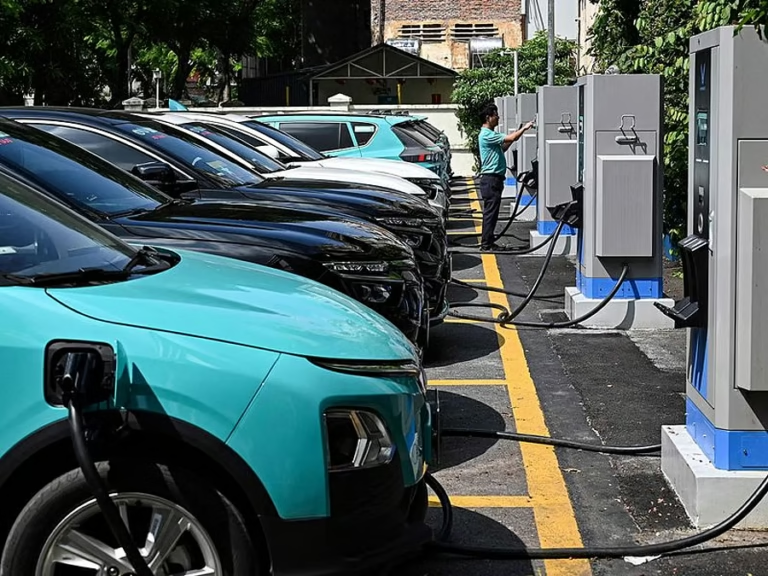
EV infrastructure development is critical to sustaining rapid adoption. In 2026, the USA is witnessing a significant expansion of public and private charging stations, fast chargers, and grid-connected networks. Investments in EV infrastructure ensure convenient access for urban and rural users alike. Manufacturers, energy companies, and government agencies are collaborating to create reliable charging networks. As infrastructure improves, range anxiety decreases, encouraging more drivers to switch to electric vehicles. Comprehensive infrastructure support is essential to fully capitalize on the EV adoption surge prompted by the energy crisis.
Impact of Energy Crisis on EVs: Opportunities and Challenges
The energy crisis creates both challenges and opportunities for the EV market. On one hand, high fuel prices drive adoption, but supply chain limitations and battery production bottlenecks pose obstacles. Opportunities include faster adoption, innovation in EV technologies, and integration with renewable energy solutions. Companies that adapt quickly can capture significant market share, while governments and policymakers must address infrastructure gaps and regulatory hurdles. The 2026 energy crisis highlights the delicate balance between market demand, technological readiness, and sustainable energy integration in shaping the future of electric vehicles.
How Does the Global Energy Crisis Affect Transportation Choices?
The global energy crisis has forced consumers and businesses to reconsider traditional transportation options. Dependence on gasoline-powered vehicles is increasingly costly and unsustainable. Many are switching to electric cars, hybrids, and alternative mobility solutions. Public transportation, car-sharing programs, and investment in EV fleets are becoming more prevalent. Rising fuel prices and energy scarcity are not just economic issues—they influence lifestyle choices, corporate strategies, and long-term transportation planning.
Energy Crisis Solutions for EVs: Practical Approaches
Solutions to energy shortages include scaling EV production, improving battery technology, and integrating renewable energy sources for charging. Companies are exploring smart charging, energy storage, and grid optimization to support EV adoption. Consumers can benefit from home charging solutions powered by solar energy, while governments promote incentives and infrastructure expansion. Practical approaches help mitigate energy shortages while encouraging a smooth transition to electric mobility.
Renewable Energy Solutions Boosting EV Adoption
Renewable energy, including solar, wind, and hydroelectric power, is essential for sustainable EV growth. Charging stations powered by clean energy reduce carbon footprints and stabilize electricity costs. Policies promoting renewables complement incentives for EV adoption, making electric vehicles a cost-effective and environmentally responsible choice. In 2026, renewable energy solutions are key drivers of EV market growth, supporting both individual and corporate transitions to sustainable transportation.
Electric Vehicle Growth 2026: Market Insights and Future Trends
Electric vehicle growth in 2026 reflects the convergence of technology, policy, and consumer behavior. EV sales are increasing across all segments, including compact cars, SUVs, and luxury models. Market insights suggest continued expansion due to infrastructure development, renewable energy adoption, and favorable government policies. Manufacturers are introducing longer-range batteries, faster charging, and innovative features to meet rising demand. The future trends indicate widespread EV adoption across personal and commercial sectors, with sustained growth expected beyond 2026.
Future of Electric Vehicles: What to Expect Beyond 2026
Beyond 2026, EVs are projected to dominate the automotive market, driven by technological advances, supportive policies, and consumer preference for sustainability. Innovations in battery efficiency, autonomous driving, and vehicle-to-grid integration will redefine mobility. Charging networks will expand, and renewable energy solutions will further reduce operational costs. The energy crisis has accelerated adoption, but long-term growth will depend on infrastructure, affordability, and policy continuity, setting the stage for a transportation revolution.
EV Sales Growth During Global Energy Shortage
Global energy shortages in 2026 have boosted EV sales worldwide, particularly in the USA. Consumers are shifting from gasoline vehicles to electric alternatives to mitigate fuel price volatility. Sales growth is highest in urban centers with accessible charging infrastructure. Manufacturers are scaling production to meet demand, while government policies incentivize adoption. The energy crisis has created a market environment that favors electric mobility, establishing long-term consumer trends toward sustainable transportation.
Which Electric Vehicles Are Selling Fastest in 2026?
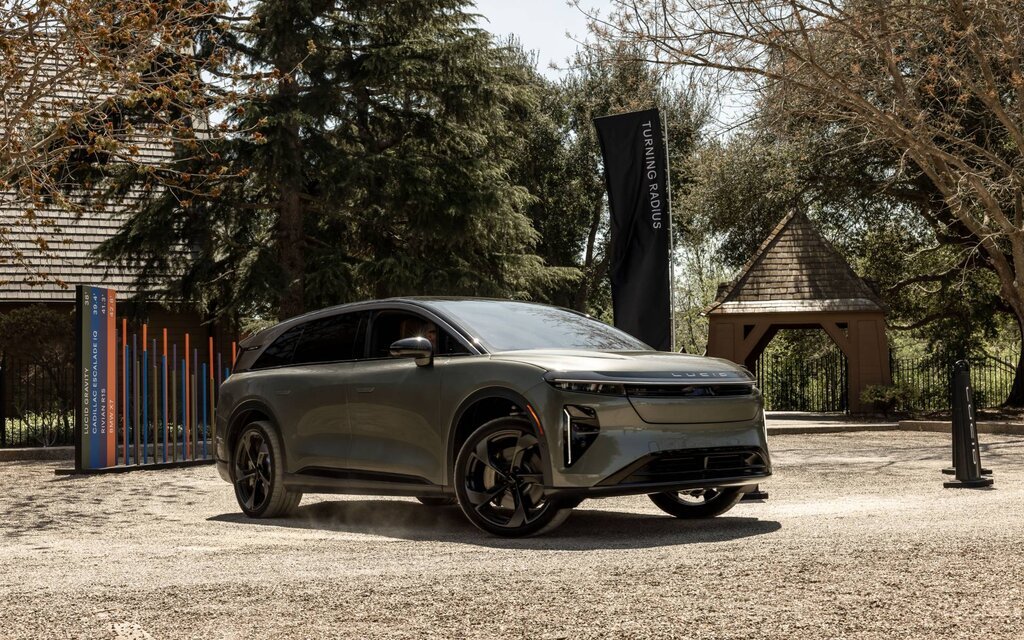
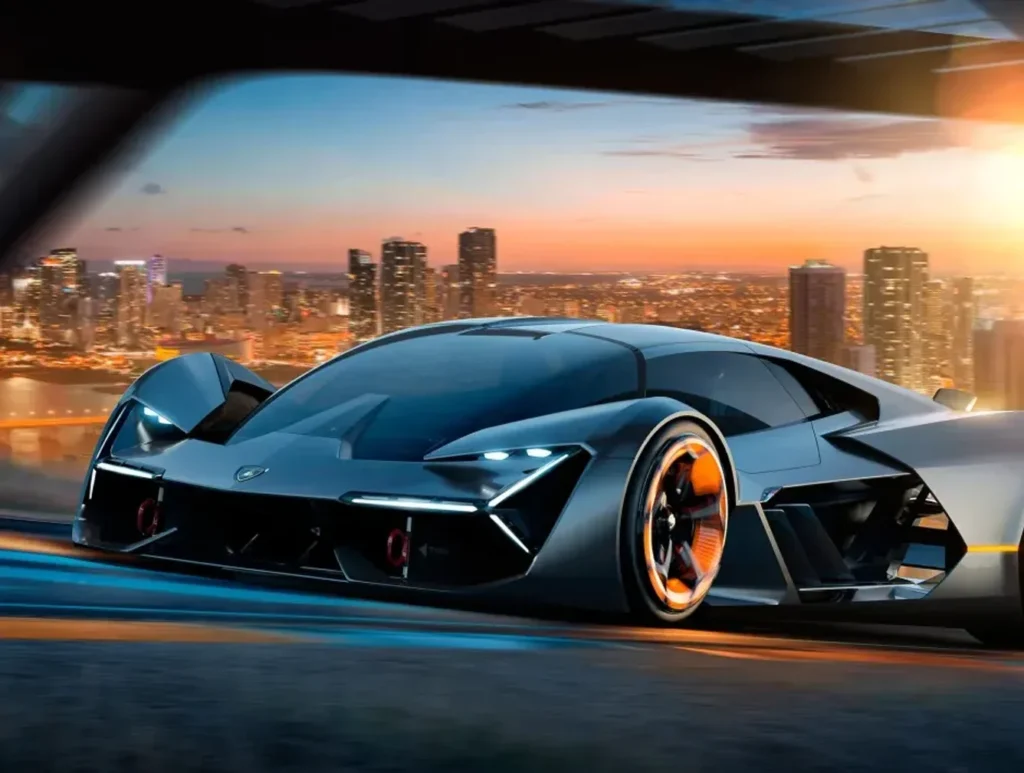
In 2026, compact SUVs, sedans, and high-performance electric cars are leading sales charts in the USA. Popular models feature longer ranges, faster charging, and advanced safety technologies. Affordable EVs with reliable battery performance are attracting mainstream consumers, while luxury models appeal to early adopters. Fast-selling vehicles reflect the market’s demand for practicality, efficiency, and sustainability. Techcomotive highlights that these models exemplify the trends shaping the 2026 EV landscape and the preferences of American buyers.
Best Electric Cars to Buy 2026 USA: Expert Recommendations
Experts recommend electric cars that balance affordability, range, and features for 2026. Options include compact sedans for city commuting, SUVs for families, and high-performance models for enthusiasts. Key considerations include battery life, charging speed, maintenance costs, and resale value. Government incentives and renewable energy integration enhance the appeal of EVs. Techcomotive advises buyers to consider infrastructure availability, long-term operational costs, and environmental impact when selecting the best electric cars for 2026.
How Consumers Can Benefit: Tips, Incentives, and Guidance
Consumers can maximize benefits from the EV adoption wave in 2026 by leveraging incentives, choosing suitable models, and planning for long-term savings. Understanding renewable energy policies, infrastructure availability, and government rebates can significantly reduce costs. Preparing for the electric car demand surge requires research on vehicle range, charging accessibility, and technology features. Techcomotive provides guidance to help consumers make informed decisions, ensuring they gain maximum economic and environmental advantages from transitioning to electric mobility.
Are Government Incentives Increasing EV Adoption in the USA?
Government incentives, including tax credits, rebates, and infrastructure support, are critical in accelerating EV adoption in 2026. These programs reduce upfront costs and encourage consumers to transition from traditional vehicles. Fleet programs, zero-emission mandates, and state-level initiatives amplify the effect. Incentives create a financial and practical rationale for EV ownership, directly influencing consumer behavior and supporting the broader shift toward sustainable transportation.
How Do Renewable Energy Policies Affect EV Adoption?
Renewable energy policies impact EV adoption by ensuring cleaner and more affordable electricity for charging. Programs promoting solar, wind, and green grid integration reduce operational costs for EV owners and enhance sustainability. These policies complement vehicle incentives, creating a holistic approach to clean transportation. In 2026, the combination of renewable energy policies and the energy crisis has accelerated consumer adoption of electric vehicles, reinforcing environmental and economic benefits.
Preparing for the Electric Car Demand Surge 2026
Consumers and businesses must prepare for rising EV demand in 2026 by understanding infrastructure, model availability, and cost factors. Home charging solutions, public charging accessibility, and battery range considerations are key to smooth adoption. Early planning ensures access to incentives, optimal vehicle choice, and reliable support. Techcomotive advises that preparation not only eases the transition but also maximizes the financial and environmental benefits of electric mobility during the energy crisis.
Choosing the Right EV: Cost, Range, and Features
Selecting the ideal EV in 2026 requires evaluating cost, range, and features. Buyers should assess daily driving needs, charging accessibility, and total ownership costs. Advanced safety features, connectivity options, and battery efficiency are critical considerations. Government incentives and renewable energy integration further influence decision-making. Techcomotive highlights that careful evaluation ensures consumers select an electric vehicle that balances practicality, affordability, and long-term benefits, making the most of the opportunities presented by the global energy crisis.