
Autonomous driving in 2026 is no longer a distant concept but a rapidly evolving reality that blends cutting-edge technology, AI intelligence, and regulatory frameworks to reshape mobility. With major automakers, tech companies, and startups racing to deploy self-driving cars, the landscape is both exciting and complex. Today, self-driving cars are more than prototypes—they are functioning vehicles navigating roads in controlled and real-world environments across the USA. However, the progress often comes with hype, exaggerated timelines, and public skepticism. Techcomotive provides an in-depth look at the state of autonomous vehicles, examining technology updates, safety advancements, adoption rates, and future predictions. This article explores how advanced autonomous driving truly is in 2026, the key players in the market, challenges facing implementation, and the tangible impact on traffic, safety, and mobility. Readers will gain a clear understanding of both promises and limitations of driverless technology.
Overview of Autonomous Driving in 2026
Autonomous driving in 2026 represents a pivotal stage in transportation innovation. Vehicles today integrate advanced sensors, AI systems, and connectivity to navigate complex environments with minimal human intervention. In the USA, the adoption of self-driving cars is accelerating, with pilot programs in urban centers, highways, and logistics applications demonstrating measurable improvements in efficiency and safety. Manufacturers and tech giants continue to push boundaries, developing Level 4 and Level 5 autonomous vehicles, which aim for full automation under specific conditions. The real challenge lies in public trust, infrastructure readiness, and consistent regulatory frameworks. As self-driving technology becomes more prevalent, stakeholders are exploring its impact on mobility, traffic patterns, and environmental sustainability. Techcomotive evaluates these trends, highlighting both the promise of autonomous vehicles and the cautious optimism necessary to interpret progress versus hype.
How Advanced Is Autonomous Driving in 2026?
In 2026, autonomous driving technology has advanced remarkably, but not without limits. AI algorithms, combined with real-time sensor data, allow vehicles to detect objects, predict traffic behavior, and make instantaneous decisions. Many vehicles can operate in fully autonomous mode in geofenced areas or highways, while urban navigation remains challenging due to unpredictable pedestrian behavior and complex road layouts. Companies like Waymo and Cruise have expanded operations in multiple U.S. cities, showcasing the maturity of autonomous systems. Yet, technological gaps remain, particularly in adverse weather conditions, sensor reliability, and ethical decision-making. Techcomotive emphasizes that while autonomous vehicles are advancing, full public adoption requires addressing these constraints alongside safety validation and legislative support.
Self-Driving Cars Progress 2026: Facts vs. Expectations
The journey of self-driving cars has been marked by overpromises and cautious milestones. While media headlines often inflate timelines, actual progress reflects sophisticated engineering, rigorous testing, and gradual deployment. By 2026, companies have achieved consistent Level 4 autonomy in controlled environments, whereas Level 5, representing fully driverless cars in any condition, remains limited. Techcomotive examines the gap between public perception and real-world deployment, offering insights into functional applications like ride-hailing, freight transport, and last-mile delivery. Understanding the distinction between expectations and operational realities is critical for businesses, regulators, and consumers considering autonomous vehicle integration into daily life.
State of Autonomous Vehicles in the USA 2026
The USA leads the world in autonomous vehicle innovation, supported by a combination of private investment, public testing programs, and regulatory incentives. Key regions like California, Arizona, and Texas are hubs for pilot deployments, with vehicles operating in urban streets, highways, and industrial zones. Data from 2026 shows increasing adoption by logistics companies, ride-hailing fleets, and early consumer models. However, integration with conventional traffic and legacy infrastructure presents ongoing challenges. Techcomotive provides insights into regional variations, regulatory compliance, and operational successes that highlight the USA’s leadership in autonomous mobility, while emphasizing the importance of balancing innovation with public safety.
Key Technology Driving Self-Driving Cars
Autonomous vehicles rely on a combination of hardware and software innovations. Core technologies include LiDAR, radar, cameras, AI-based perception, real-time mapping, and vehicle-to-everything (V2X) communication. These systems collectively enable the vehicle to perceive its surroundings, make decisions, and navigate safely. Continuous improvements in sensor fusion, AI algorithms, and predictive analytics have accelerated the maturity of self-driving cars. Techcomotive reviews these technologies, their practical applications, and their role in overcoming operational challenges, offering readers a clear picture of how autonomous systems function in 2026.
LiDAR and Autonomous Vehicle Sensors Explained
LiDAR (Light Detection and Ranging) remains a cornerstone technology for autonomous vehicles, providing precise distance measurements to detect objects, pedestrians, and road boundaries. Alongside cameras, radar, and ultrasonic sensors, LiDAR contributes to a vehicle’s perception system, enabling safe navigation even in complex urban environments. 2026 sees enhancements in LiDAR resolution, cost reduction, and integration with AI for predictive modeling. Sensor fusion technology allows vehicles to combine inputs from multiple sources, increasing accuracy and reliability. Techcomotive emphasizes that advancements in LiDAR and sensors are directly linked to improved safety, situational awareness, and operational efficiency for self-driving cars.
AI in Self-Driving Cars: How Smart Are Autonomous Vehicles?
Artificial Intelligence (AI) powers decision-making in self-driving vehicles, processing massive amounts of sensor data to predict traffic patterns, detect hazards, and plan optimal routes. In 2026, deep learning models, reinforcement learning, and edge AI enable faster, safer, and more reliable autonomous navigation. AI systems continually learn from vast datasets, improving their performance over time. Techcomotive highlights that while AI enhances vehicle intelligence, human oversight and rigorous testing remain essential to ensure reliability in dynamic driving conditions. The combination of AI, sensor data, and vehicle-to-vehicle communication defines the “smartness” of autonomous vehicles today.
Latest Autonomous Vehicle Technology Updates 2026
2026 brings a wave of new technologies transforming autonomous driving, including improved mapping, predictive analytics, and high-speed onboard computing. Companies are integrating AI-assisted driver monitoring, enhanced sensor arrays, and cloud-based navigation updates. Electric and autonomous vehicle synergies are being explored to optimize energy efficiency, reduce emissions, and enhance route planning. Techcomotive evaluates these updates, highlighting innovations that are not only technological milestones but also practical solutions improving performance, safety, and user experience in self-driving vehicles.
Tesla Autopilot Updates 2026: What’s New?
Tesla’s Autopilot system in 2026 has seen significant enhancements in navigation accuracy, AI perception, and automated lane changes. Over-the-air updates allow continuous improvements in real-time without the need for physical recalls. Tesla integrates improved neural network processing, enhanced LiDAR substitutes, and predictive safety algorithms. Techcomotive reviews these updates and explains how Tesla maintains leadership in the autonomous vehicle segment while addressing regulatory scrutiny and user safety concerns. The combination of AI learning, real-time data, and continuous software enhancements positions Tesla as a benchmark for autonomous innovation.
Waymo Self-Driving Technology and Cruise Autonomous Cars USA
Waymo and Cruise are at the forefront of autonomous driving deployment in the USA. Waymo focuses on fully autonomous ride-hailing services with extensive city testing, while Cruise emphasizes urban mobility and delivery solutions. Both companies leverage high-definition mapping, advanced AI, and multi-sensor arrays to achieve safe navigation. In 2026, they have expanded operations, improved reliability, and collaborated with policymakers to align with regulatory frameworks. Techcomotive highlights these companies’ strategies, technological differentiation, and real-world performance, offering readers a clear understanding of leadership and innovation in autonomous vehicle technology.
Safety, Regulations, and Legal Considerations
Safety and legal frameworks are critical to autonomous vehicle adoption. Regulators in the USA are updating laws, liability structures, and insurance policies to address driverless technology. Understanding safety performance, regulatory compliance, and liability implications is essential for both consumers and operators. Techcomotive examines the latest developments in safety protocols, self-driving car regulations, and legal updates, providing a comprehensive guide to responsible autonomous vehicle adoption in 2026.
Are Self-Driving Cars Safe in 2026?
Safety remains the top concern for autonomous vehicles. Data from pilot programs and controlled deployments shows a reduction in accidents caused by human error, but challenges persist in unpredictable conditions like weather or complex urban intersections. Advanced AI, sensor redundancy, and robust testing protocols contribute to improved safety performance. Techcomotive evaluates accident statistics, near-miss scenarios, and safety innovations, demonstrating that while self-driving cars are safer in specific contexts, a cautious approach is necessary for wider deployment.
Autonomous Vehicle Safety 2026: Data and Insights
Recent studies indicate that autonomous vehicles reduce collision rates by improving reaction times, maintaining consistent speed, and avoiding human errors like distraction or fatigue. Data from autonomous fleets in the USA highlights the importance of continuous monitoring, AI learning, and real-time decision-making in ensuring safety. Techcomotive provides detailed insights into safety metrics, testing protocols, and technological safeguards, emphasizing that ongoing evaluation is essential for maintaining public trust and regulatory compliance.
Self-Driving Car Regulations USA 2026
Regulations for autonomous vehicles in the USA are evolving to keep pace with technological advancements. Federal guidelines focus on vehicle safety standards, cybersecurity, testing protocols, and operational liability. States maintain varying levels of pilot program authorization, permitting autonomous testing under controlled conditions. Techcomotive explains regulatory frameworks, compliance requirements, and the impact of these laws on manufacturers, operators, and consumers, ensuring readers understand the legal landscape of autonomous driving in 2026.
AV Legislation and Policy Updates 2026
In 2026, legislation surrounding autonomous vehicles addresses ethical programming, accident liability, and data privacy. Policies encourage testing while protecting public safety, with clear definitions for Levels 4 and 5 autonomy. Techcomotive explores policy updates, highlighting state and federal initiatives that aim to standardize autonomous vehicle deployment, insurance frameworks, and accountability measures.
Self-Driving Car Insurance and Liability: What You Need to Know
Insurance for autonomous vehicles is adapting to shifting liability paradigms. With AI systems controlling driving decisions, responsibility may lie with manufacturers, software developers, or fleet operators. Techcomotive outlines current insurance practices, liability trends, and risk management strategies, helping businesses and consumers navigate this complex aspect of autonomous vehicle adoption. Understanding insurance coverage is critical for safe and legally compliant integration of self-driving cars.
Market Trends and Adoption of Autonomous Vehicles
Autonomous driving trends in 2026 highlight growing adoption, increasing consumer acceptance, and integration with electric and connected mobility solutions. Ride-hailing, logistics, and fleet management are primary growth sectors. Techcomotive analyzes market dynamics, adoption rates, and technological drivers that influence the trajectory of autonomous vehicles in the USA.
Autonomous Driving Trends in the USA 2026
Consumer awareness, regulatory support, and technological maturity are driving autonomous vehicle trends. Shared mobility, AI-assisted navigation, and predictive traffic systems are gaining traction. Techcomotive explores these trends, highlighting how self-driving technology is reshaping urban mobility and influencing transportation planning in American cities.
Autonomous Vehicle Adoption Rate USA 2026
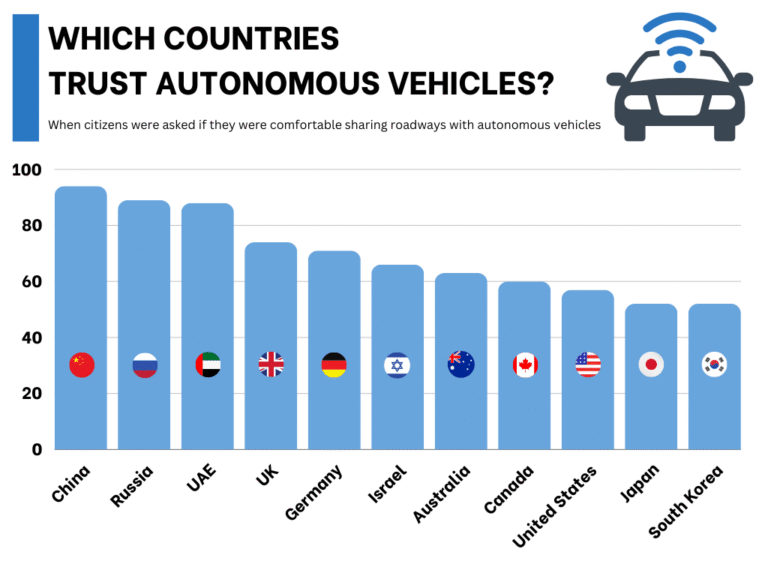
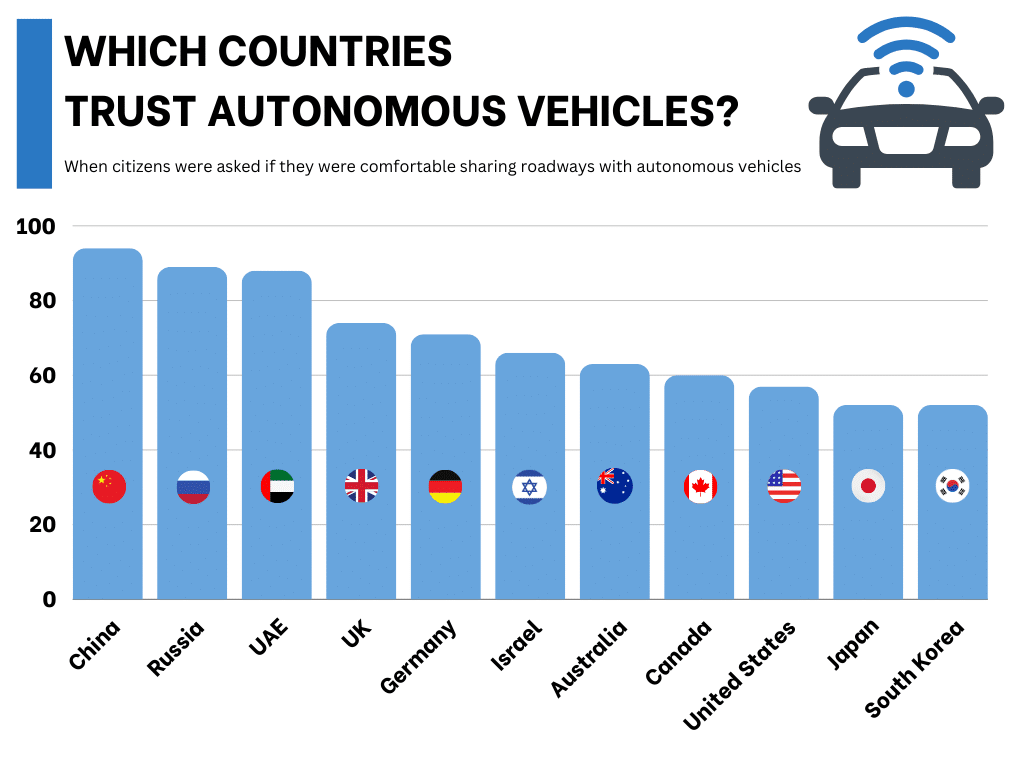
The adoption rate of autonomous vehicles in the USA varies by region, fleet type, and operational use. Pilot programs demonstrate successful integration into urban transit and logistics services, while consumer adoption continues to grow slowly due to safety and trust concerns. Techcomotive provides insights into adoption statistics, growth projections, and influencing factors shaping the self-driving car landscape.
Electric and Autonomous Vehicles: The Perfect Pair?
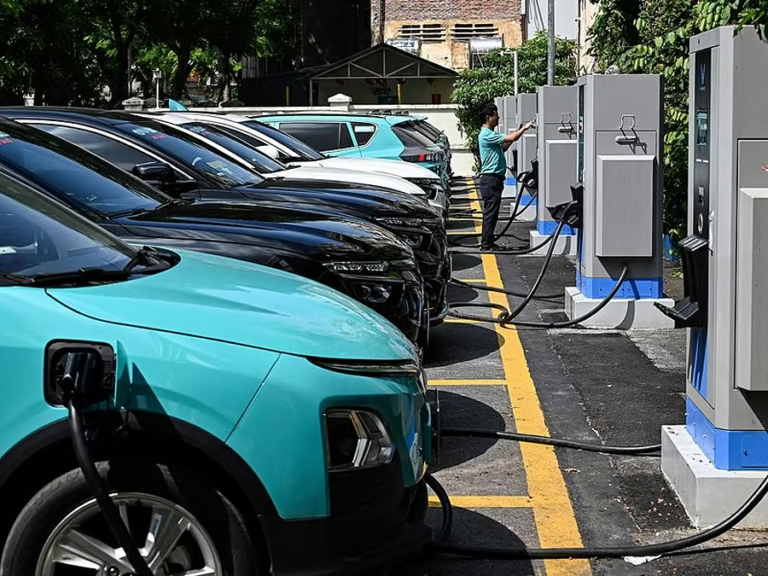
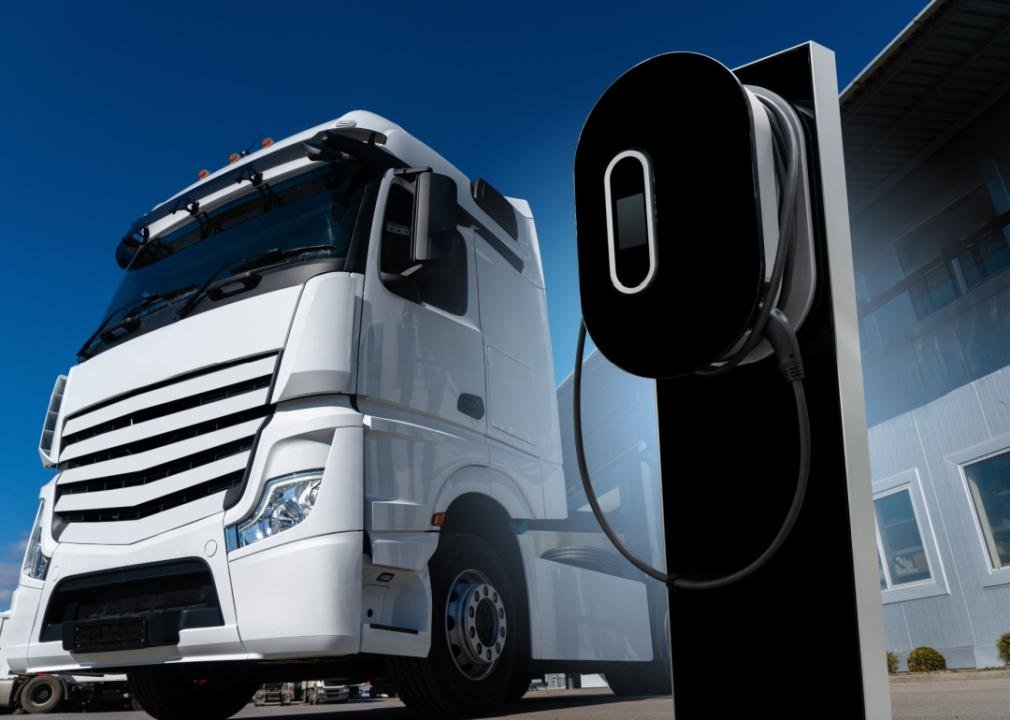
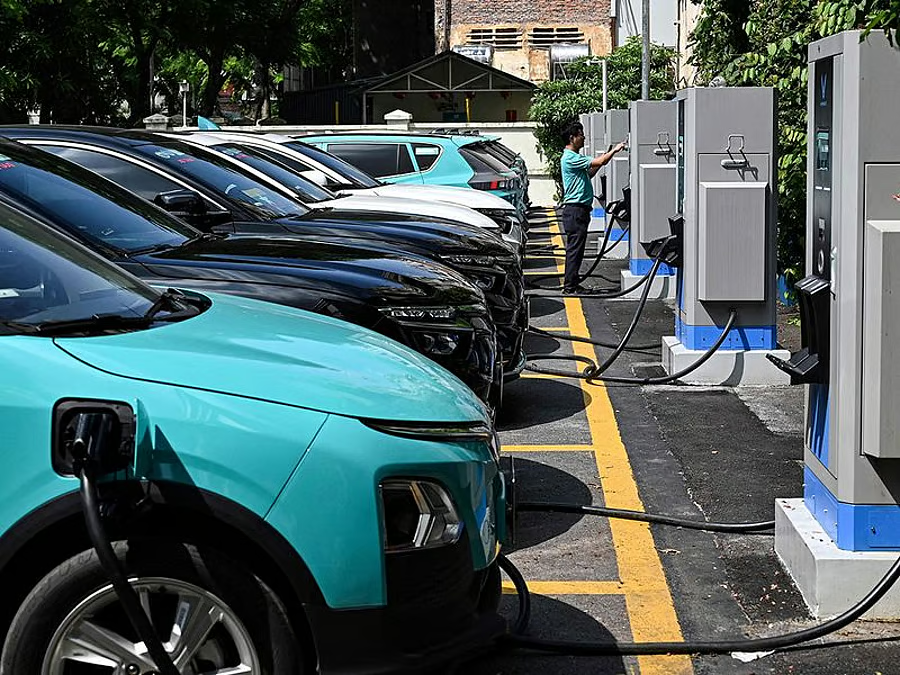
Electric vehicles (EVs) complement autonomous technology by offering efficiency, lower emissions, and integration with smart energy systems. The combination enhances route optimization, energy management, and sustainability goals. Techcomotive highlights how autonomous EVs represent a key trend in future mobility, providing environmental benefits and operational cost reductions.
Connected and Automated Vehicles (CAV): Future Mobility Insights
Connected and automated vehicles (CAVs) leverage vehicle-to-vehicle (V2V) and vehicle-to-infrastructure (V2I) communication to enhance traffic efficiency and safety. In 2026, CAVs are enabling predictive traffic management, collaborative navigation, and enhanced passenger experiences. Techcomotive explores CAV technology, adoption potential, and its role in the next-generation mobility ecosystem.
Industry Leaders and Startups Shaping the Future
The autonomous vehicle ecosystem in 2026 features major corporations and innovative startups driving technology and adoption. Leadership is determined by technological sophistication, regulatory compliance, and real-world performance. Techcomotive identifies industry leaders and emerging startups, highlighting their innovations, market strategies, and contributions to the autonomous driving landscape.
Which Companies Lead in Autonomous Vehicles in USA 2026?
Waymo, Cruise, Tesla, and automotive giants like GM, Ford, and Toyota are leading in autonomous vehicle technology in 2026. Each company focuses on specialized applications—ride-hailing, freight, personal mobility, or urban navigation. Techcomotive reviews these companies’ achievements, testing milestones, and operational strategies, providing a clear picture of market leadership in autonomous driving.
Autonomous Vehicle Startups 2026 to Watch
Startups play a pivotal role in pushing innovation with AI, sensor technology, and niche mobility solutions. Emerging companies are developing autonomous shuttles, delivery vehicles, and advanced perception systems. Techcomotive highlights promising startups, their breakthroughs, and potential impact on industry disruption and competitive dynamics in 2026.
Predictions for Self-Driving Cars in 2026
Predictions for self-driving cars in 2026 include incremental adoption, broader urban deployment, and regulatory standardization. Advances in AI, LiDAR, and connectivity will continue, while public trust and safety validation remain priorities. Techcomotive provides expert insights into future trends, adoption patterns, and technological breakthroughs shaping autonomous mobility.
Challenges and Realities Facing Autonomous Vehicles
Despite advancements, autonomous vehicles face significant technical, regulatory, and societal challenges. These include system reliability, infrastructure readiness, public acceptance, liability issues, and integration with conventional traffic. Techcomotive explores these challenges and provides solutions and insights to address operational and societal concerns.
Challenges Facing Autonomous Vehicles 2026
Challenges include sensor limitations, AI decision-making in unpredictable conditions, cybersecurity threats, and inconsistent regulations. Infrastructure adaptation and public perception also play critical roles. Techcomotive evaluates these challenges, offering solutions like advanced AI models, V2X integration, and incremental deployment strategies to improve adoption success.
Impact of Autonomous Cars on Traffic and Safety 2026
Autonomous vehicles can reduce accidents caused by human error, optimize traffic flow, and improve road efficiency. However, mixed traffic with conventional vehicles presents challenges, including coordination and safety risk management. Techcomotive reviews data-driven insights, showing how autonomous cars impact traffic patterns, congestion, and overall safety in urban environments.
Autonomous Driving Progress vs. Hype 2026: Separating Facts from Fiction
Media hype often exaggerates the readiness and safety of autonomous vehicles. While real-world deployments are advancing, they remain limited by technical, regulatory, and social factors. Techcomotive provides an evidence-based analysis, separating genuine progress from inflated expectations, guiding readers in understanding what autonomous driving can realistically achieve in 2026.