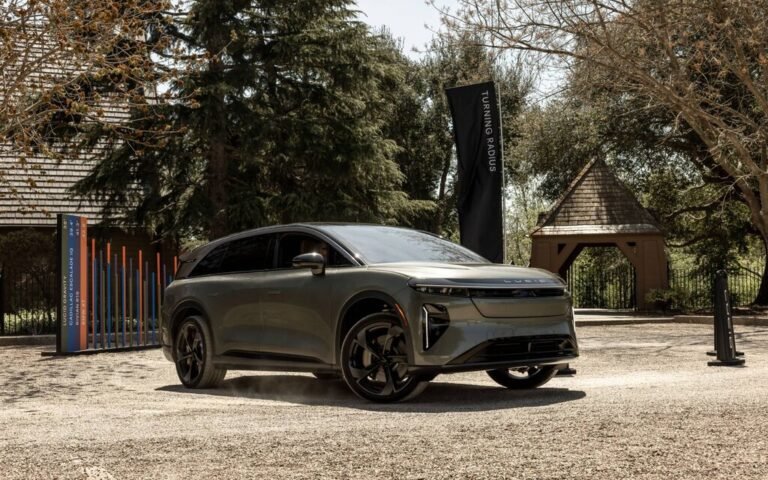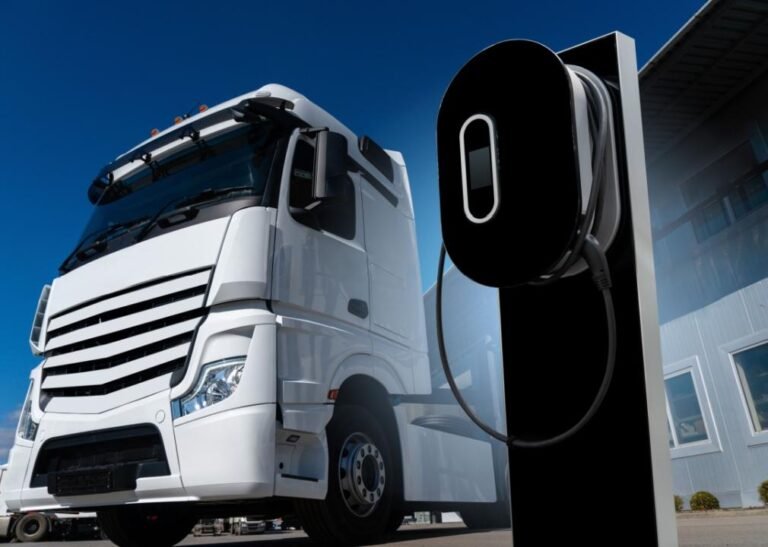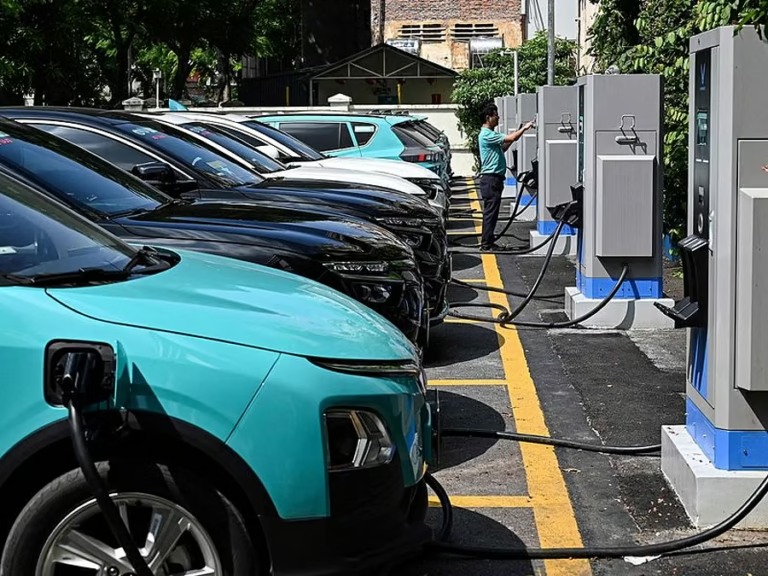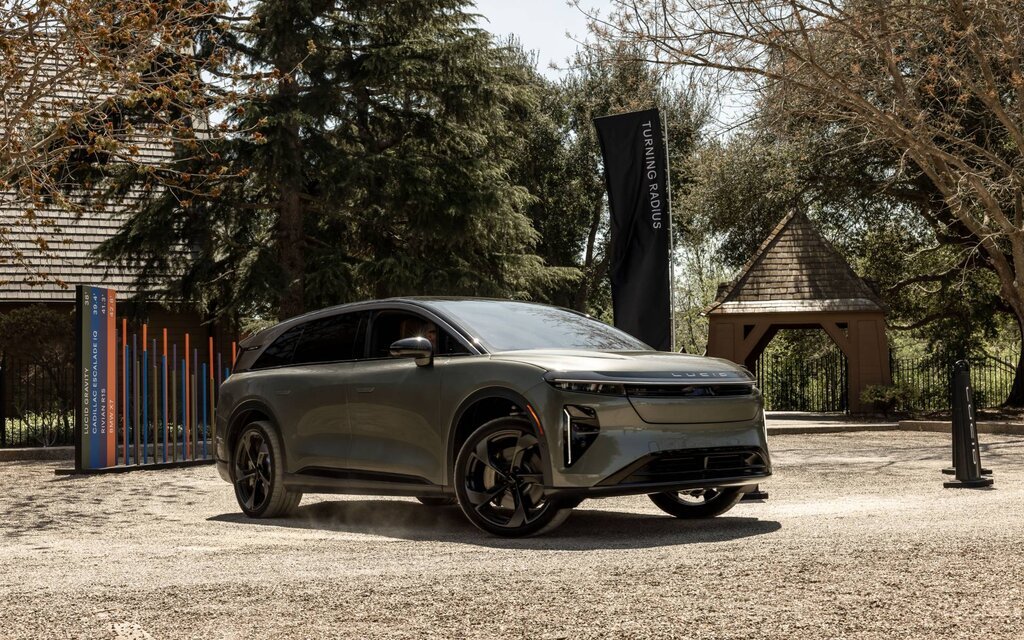

Electric trucks are transforming the automotive and commercial vehicle landscape in the United States and worldwide. With rising environmental awareness, government incentives, and rapid advancements in battery technology, electric trucks are no longer a niche market—they are becoming mainstream. Leading automakers like Tesla, Ford, and Rivian are investing heavily in electric pickup trucks that offer high performance, extended range, and reduced operating costs. Businesses are increasingly adopting electric trucks for logistics, construction, and delivery services, benefiting from lower fuel costs and sustainability credentials. Consumers are drawn to models like the Tesla Cybertruck, Rivian R1T, and Ford F-150 Lightning for their unique design, capabilities, and cutting-edge technology. As EV infrastructure grows, charging stations become more accessible, and battery efficiency improves, the rise of electric trucks in the U.S. and global markets is accelerating, setting the stage for a greener, more sustainable transportation future.
Understanding the Rise of Electric Trucks in the USA and Worldwide
The surge in electric trucks is driven by several converging factors: stricter emissions regulations, rising fuel costs, and consumer demand for cleaner vehicles. In the U.S., federal and state incentives make electric truck ownership more affordable, while businesses seek fleet electrification for operational efficiency. Globally, countries like China, Germany, and Norway are adopting EV trucks at an unprecedented pace, creating a competitive market for manufacturers. Innovation in battery technology, improved range, and fast-charging capabilities are removing traditional barriers to adoption. Analysts predict that by 2030, electric trucks could constitute a significant percentage of commercial and personal vehicle sales, reshaping the automotive industry. This worldwide adoption highlights both market potential and the necessity for infrastructure development to support EV trucks, ensuring they are practical for long-distance transport and heavy-duty operations.
What Are Electric Trucks and How Do They Work?
Electric trucks are vehicles powered entirely or partially by electricity, using batteries instead of internal combustion engines. They typically feature lithium-ion battery packs, electric motors, and regenerative braking systems to enhance efficiency. Unlike diesel or gasoline trucks, EV trucks produce zero tailpipe emissions, reducing environmental impact. Electric trucks operate quietly and provide instant torque for faster acceleration and improved towing performance. Most models integrate advanced software for battery management, navigation, and energy optimization. Charging can be done at home, dedicated stations, or commercial rapid chargers, making them versatile for personal and business use. Understanding their mechanics and benefits helps consumers and businesses make informed choices when comparing EV trucks to traditional diesel vehicles.
Key Drivers Behind the EV Truck Revolution in the U.S.
Several factors are driving EV truck adoption in the U.S. First, government incentives and tax credits lower upfront costs for consumers and businesses. Second, environmental regulations are pushing automakers toward zero-emission vehicles. Third, companies are transitioning fleets to EVs to reduce fuel costs and carbon footprints. Technological advancements in battery performance, range, and charging speed make EV trucks practical for long-haul and commercial applications. Additionally, increasing consumer awareness and demand for sustainable mobility encourage manufacturers to expand electric truck offerings. These combined factors are accelerating EV truck adoption across the country, signaling a long-term shift in the automotive market.
Global Electric Truck Market Growth and Statistics
The global electric truck market is experiencing exponential growth. According to industry reports, the market is projected to surpass $50 billion by 2030, with North America, Europe, and Asia-Pacific leading adoption. In the U.S., sales of electric pickup trucks are expected to grow by over 30% annually through 2026. Companies like Tesla, Rivian, Ford, and BYD are expanding their EV truck portfolios to meet rising demand. Internationally, China is the largest market for electric commercial vehicles, while Europe focuses on regulations to reduce emissions in urban logistics. This global momentum reflects a shift toward sustainable transport and highlights opportunities for manufacturers, infrastructure developers, and businesses looking to electrify their fleets.
Top Electric Pickup Trucks in the USA for 2026
The electric pickup truck segment in the U.S. is highly competitive, with several standout models offering impressive range, performance, and technology. Buyers can choose between premium options like Tesla Cybertruck, Rivian R1T, and mainstream models like Ford F-150 Lightning. Key factors such as towing capacity, payload, battery efficiency, and onboard technology determine the suitability for personal or commercial use. With prices becoming more accessible and charging infrastructure improving, EV trucks are increasingly practical for daily commuting, work applications, and adventure travel. Evaluating each model’s specifications, reliability, and performance ensures informed purchase decisions in 2026.
Tesla Cybertruck vs Rivian R1T: Which is Better?
The Tesla Cybertruck and Rivian R1T dominate the EV pickup market with unique strengths. Cybertruck features an angular design, exceptional towing capacity, and Tesla’s autopilot system. Rivian R1T stands out with off-road performance, innovative storage solutions, and superior suspension technology. Cybertruck’s stainless steel body offers durability and futuristic appeal, while Rivian emphasizes adventure and environmental responsibility. Range comparison shows both models exceed 300 miles on a single charge, though Rivian focuses on versatility for recreational use. Consumers seeking a balance of technology, power, and sustainability must weigh performance, usability, and aesthetics to determine the best fit for their lifestyle or business needs.
Ford F-150 Lightning Specs and Features
The Ford F-150 Lightning redefines the classic pickup with an all-electric drivetrain. It offers dual electric motors delivering instant torque, up to 563 horsepower, and a towing capacity of 10,000 pounds. The truck integrates a large 131 kWh battery pack, enabling ranges up to 320 miles. Features like Pro Power Onboard allow users to power tools or homes during outages, making it ideal for businesses and homeowners alike. Advanced driver-assist systems enhance safety and convenience, while a spacious interior combines technology with comfort. The F-150 Lightning balances performance, utility, and affordability, positioning it as a leading choice in the electric pickup segment for 2026.
Best Electric Trucks 2026 – Comparison of Range, Performance, and Cost
2026’s top electric trucks are evaluated on range, performance, and affordability. Tesla Cybertruck offers 500+ miles of range and high towing capacity. Rivian R1T combines 314 miles of range with off-road capabilities. Ford F-150 Lightning provides 320 miles with commercial-friendly features. Pricing ranges from $50,000 to $90,000, influenced by technology, battery size, and customization. Businesses must consider total cost of ownership, including maintenance, energy savings, and incentives. Performance metrics such as acceleration, payload, and towing capabilities determine suitability for heavy-duty applications. Comparing these trucks ensures buyers select models aligned with their specific needs and budget.
Electric Trucks Range Comparison: How Far Can They Travel on a Single Charge?
Range is a critical factor for electric trucks, impacting usability and adoption. Tesla Cybertruck offers over 500 miles on a full charge, making it ideal for long-haul travel. Rivian R1T provides 314 miles, suitable for daily commuting and adventure trips. Ford F-150 Lightning’s 320-mile range balances commercial and personal use. Battery efficiency, driving conditions, and payload influence real-world performance. Businesses must consider route planning, charging availability, and energy consumption when adopting EV trucks. Comparing ranges across models helps buyers determine which truck meets operational needs while minimizing downtime and maximizing productivity.
Electric Trucks Market Leaders and Top Manufacturers
The electric truck market is dominated by innovative manufacturers pushing the boundaries of technology and performance. Leading companies prioritize battery efficiency, range, towing capability, and infrastructure development. Tesla, Ford, Rivian, and BYD are among the top players driving adoption in the U.S. and globally. These manufacturers combine design, performance, and sustainability, setting industry benchmarks. Investment in R&D, charging networks, and fleet solutions ensures continued growth. Understanding market leaders helps businesses and consumers identify reliable options, compare specifications, and anticipate trends in the rapidly evolving EV truck landscape.
Leading EV Truck Companies in the USA
U.S.-based EV truck manufacturers are reshaping transportation with advanced models. Tesla leads with the Cybertruck, offering futuristic design and high performance. Ford’s F-150 Lightning provides practical solutions for personal and commercial use. Rivian focuses on adventure-ready pickups with off-road capability. Companies like Lordstown Motors and Bollinger Motors introduce niche models for specialized applications. These leaders drive innovation in battery technology, charging infrastructure, and software integration. Their strategies influence market adoption, pricing, and competition. Businesses can leverage these offerings to modernize fleets, reduce emissions, and enhance operational efficiency.
What Are the Top Electric Truck Manufacturers Worldwide?
Globally, top electric truck manufacturers extend beyond the U.S. to include BYD (China), Mercedes-Benz (Germany), Volvo Trucks (Sweden), and Nissan (Japan). BYD specializes in commercial electric trucks for logistics and delivery fleets. European brands emphasize sustainability and compliance with emissions regulations. Japanese manufacturers integrate efficiency and reliability into electric pickups. Collectively, these companies push battery innovation, vehicle range, and EV infrastructure development worldwide. Awareness of global manufacturers helps U.S. businesses and consumers compare international offerings, adopt best practices, and plan for cross-border fleet operations, reflecting the global momentum behind electric truck adoption.
Commercial Electric Trucks Adoption Trends
Commercial adoption of electric trucks is growing rapidly in the U.S. Logistics, delivery, and construction companies are investing in EV fleets to cut fuel costs and reduce carbon footprints. Large retailers and e-commerce giants are piloting electric trucks to meet sustainability targets. Charging infrastructure development and energy management solutions make fleet electrification practical. Incentives and tax credits further improve ROI. As battery range improves and operational costs decrease, businesses are increasingly transitioning from diesel to electric trucks. These trends highlight the commercial potential of EV trucks, offering both economic benefits and environmental responsibility.