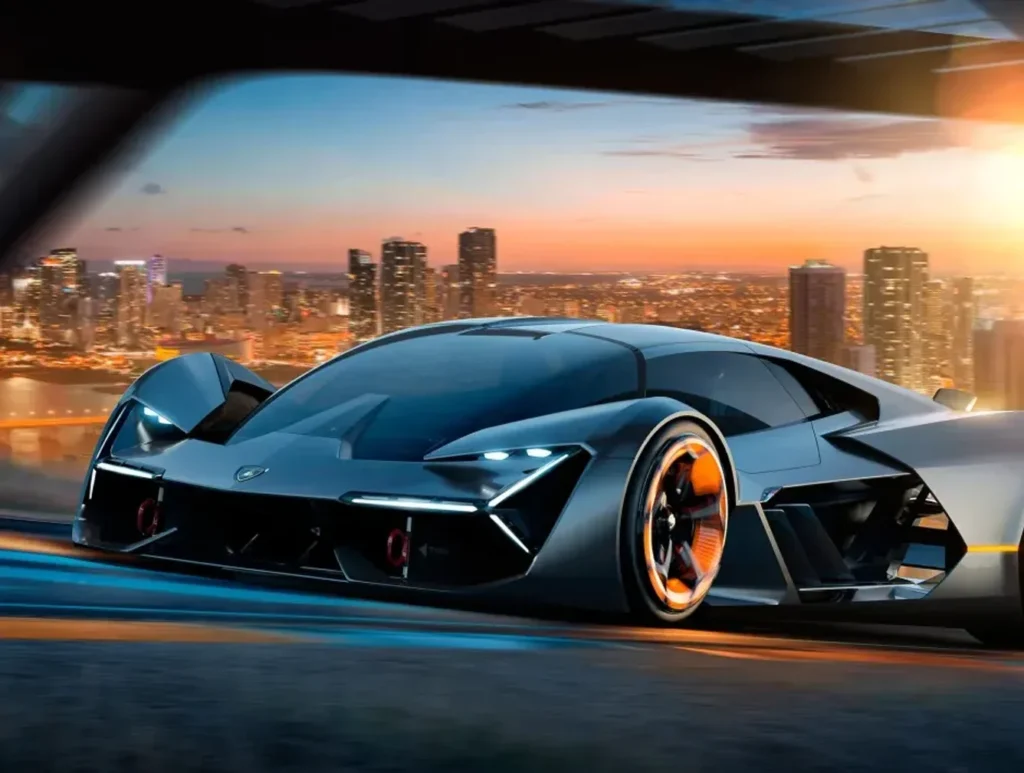

Lamborghini’s decision to cancel its highly anticipated all-electric supercar for 2026 has sent shockwaves through the automotive world, especially among EV enthusiasts and supercar fans. While electrification is the future of mobility, Lamborghini has signaled that the transition to electric power for its high-performance lineup requires more time and strategic alignment. The decision is not an outright rejection of electric vehicles but rather a careful recalibration of the brand’s electrification strategy. By focusing on hybrid technology first, Lamborghini aims to maintain the signature driving experience, sound, and performance its customers expect while gradually integrating electric elements. This move reflects the unique challenges luxury supercar makers face when balancing performance, brand identity, and sustainability. In this detailed analysis, Techcomotive explores the reasoning behind Lamborghini’s EV cancellation, its hybrid strategy, future plans, and what this means for the supercar market in the USA and globally.
Understanding Lamborghini’s EV Strategy and Hybrid Plans
Lamborghini’s approach to electrification is a measured blend of hybrid innovation and future EV development. Unlike some competitors rushing to fully electric supercars, Lamborghini has prioritized hybrids to preserve performance and brand authenticity. This strategy aligns with the brand’s commitment to delivering extreme driving dynamics and iconic V12 and V10 engines. Hybrid models serve as transitional vehicles, offering reduced emissions while retaining the sound and thrill of a supercar. In the USA, where hybrid adoption is increasing but full EV infrastructure for hypercars remains limited, this approach helps Lamborghini maintain its loyal fanbase and align with global sustainability goals. Understanding this strategy is essential for enthusiasts, investors, and potential buyers who follow Lamborghini’s electrification trajectory closely.
Lamborghini hybrid and EV strategy explained
Lamborghini’s hybrid and EV strategy focuses on integrating electric motors with existing combustion engines, creating high-performance hybrids that reduce environmental impact without compromising speed or handling. The company’s roadmap indicates that hybrids will dominate until the mid-2030s, while fully electric supercars remain under development. This ensures a smoother market transition, leveraging existing technology and infrastructure. Hybrid models also allow Lamborghini to meet increasingly strict global emissions regulations while testing EV components and batteries for future all-electric offerings. This deliberate approach ensures reliability, performance consistency, and brand continuity in the hypercar segment.
Overview of Lamborghini hybrid models in the USA
In the USA, Lamborghini has introduced hybrid variants such as the Revuelto, combining V12 power with electric torque for instant acceleration and lower emissions. These hybrids appeal to collectors and enthusiasts seeking a mix of innovation and tradition. The American supercar market favors vehicles that retain the visceral engine experience, making hybrid technology a practical bridge to fully electric models. Dealers emphasize performance metrics, driving experience, and cutting-edge hybrid technology to cater to buyers who value Lamborghini’s heritage while gradually embracing sustainability trends. This approach reinforces brand loyalty while preparing the market for eventual EV offerings.
How Lamborghini’s electrification strategy compares to Ferrari and McLaren
Compared to Ferrari and McLaren, Lamborghini’s EV approach is more cautious and brand-centric. Ferrari has begun exploring electric supercars aggressively, while McLaren has announced hybrid hypercars and conceptual EVs. Lamborghini, however, is delaying full electrification to ensure its cars maintain signature sound, design, and performance characteristics. This strategy mitigates risk and preserves brand identity, focusing on hybrid adoption first. While competitors prioritize speed-to-market for EVs, Lamborghini emphasizes long-term sustainability and driving experience, demonstrating that not all luxury automakers are rushing toward pure electric solutions.
Reasons Behind Lamborghini Cancelling Its Electric Supercar
The cancellation of Lamborghini’s all-electric supercar in 2026 stems from a mix of technical, strategic, and market-based factors. Building a fully electric hypercar that meets Lamborghini’s performance and sound standards is complex and costly. Battery weight, limited range at extreme speeds, and thermal management present significant engineering challenges. Additionally, the supercar market demands vehicles that deliver an emotional experience, which pure EVs struggle to replicate. Regulatory pressure, supply chain constraints, and the brand’s commitment to maintaining performance excellence influenced the decision. This move reflects a pragmatic response to market realities, ensuring Lamborghini’s electrification strategy remains credible and sustainable.
Lamborghini electric supercar canceled: Official statements and updates
Lamborghini officially confirmed that its all-electric supercar planned for 2026 has been scrapped. The company emphasized that this decision is not a rejection of EV technology but a strategic pivot toward hybrid solutions. CEO Stephan Winkelmann highlighted that achieving Lamborghini’s performance standards in a fully electric vehicle requires more research and development. The update signals that while full EVs are part of the future roadmap, hybrid technology remains the immediate focus, ensuring continuity of performance and brand experience. This official communication clarifies that Lamborghini remains committed to electrification but at a pace that aligns with its engineering principles and customer expectations.
Key challenges supercar brands face with EVs
Supercar manufacturers face unique challenges when developing EVs, including battery weight, heat management, limited range at high speeds, and preserving engine acoustics. Consumers expect rapid acceleration, handling precision, and iconic engine sounds—traits difficult to replicate with electric motors. Production costs are high, while infrastructure for hypercar charging is limited, especially in markets like the USA. Safety, durability, and thermal efficiency are additional concerns, making EV development a costly and technically complex endeavor. These challenges explain why brands like Lamborghini are delaying full EV adoption while testing hybrid solutions.
Lamborghini electric car development halted: Reasons behind the decision
Development of Lamborghini’s 2026 all-electric supercar was halted primarily due to technical constraints, performance expectations, and strategic timing. Battery technology currently cannot match the energy density required for a high-performance V12-equivalent experience. Additionally, production costs and market readiness influenced the decision. By focusing on hybrids first, Lamborghini can gradually integrate electrification while maintaining brand integrity. This approach reflects a broader trend among luxury automakers, who balance innovation with engineering feasibility, customer expectations, and regulatory compliance before committing to full EV production.
Why Lamborghini stopped EV project and scrapped 2026 plans
Lamborghini’s decision to scrap its 2026 EV project was influenced by performance concerns, market readiness, and hybrid strategy prioritization. The company seeks to maintain the thrill, sound, and driving dynamics synonymous with its brand. Current EV technology cannot fully replicate these characteristics in a hypercar. By delaying the EV launch, Lamborghini ensures that its vehicles will eventually deliver an uncompromised experience. Strategic patience allows the brand to continue hybrid development, test new technologies, and align production with evolving consumer preferences, regulatory requirements, and global electrification trends.
What This Means for Lamborghini’s Future Cars
The cancellation of the 2026 all-electric supercar reshapes expectations for Lamborghini’s future lineup. Hybrid models will dominate near-term offerings, while fully electric supercars are expected later in the decade. Lamborghini will continue to innovate with lightweight battery systems, hybrid powertrains, and performance-oriented EV technology. Future cars are likely to blend electrification with traditional engines, delivering thrilling driving experiences while meeting environmental and regulatory standards. Understanding this roadmap is critical for collectors, enthusiasts, and the American supercar market, as it informs purchasing decisions and brand positioning in the evolving luxury automotive sector.
Lamborghini future car plans: Hybrid and EV roadmap
Lamborghini’s roadmap prioritizes hybrids for immediate releases, gradually transitioning to full EVs by the 2030s. Upcoming models focus on integrating electric motors for torque augmentation while retaining combustion engines for sound and performance. The strategy allows real-world testing, reduces development risks, and aligns with sustainability goals. Hybrid models like the Revuelto exemplify this approach, combining electrification with Lamborghini’s signature driving excitement. Full electric models are still under R&D, with launch timing dependent on technological advances in battery density, cooling, and lightweight materials, ensuring future EVs meet the brand’s high-performance standards.
Did Lamborghini abandon electric car development completely?
No, Lamborghini has not abandoned electric car development. The company continues research into battery technology, electric drivetrains, and lightweight materials. The 2026 all-electric supercar was postponed, not canceled indefinitely. Lamborghini’s hybrid-first approach serves as a bridge to future EV models, ensuring a smooth technological transition. Strategic delays allow for testing performance, durability, and consumer acceptance before fully committing to all-electric production. This measured strategy keeps Lamborghini competitive while preserving the brand’s unique identity and high-performance standards.
When will Lamborghini release an electric supercar?
While the 2026 EV supercar is canceled, Lamborghini plans to release its first full electric supercar in the early 2030s. Timing depends on advancements in battery technology, range optimization, and high-speed performance reliability. Hybrid models will continue to fill the gap, providing electrified performance with reduced emissions. The phased approach ensures customers receive the iconic Lamborghini experience while enabling engineers to fine-tune EV systems for extreme driving conditions, heat management, and safety. Enthusiasts and collectors can expect hybrid performance enhancements in the coming years before the brand fully transitions to electric supercars.
Is Lamborghini still making hybrid cars?
Yes, Lamborghini continues to manufacture hybrid cars, such as the Revuelto, designed to combine electric torque with combustion engine performance. Hybrids offer environmental benefits, improved acceleration, and technology testing for future EVs. In the USA, these models appeal to enthusiasts who want the Lamborghini driving experience with partial electrification. Hybrids serve as a critical stepping stone toward fully electric supercars, maintaining brand loyalty while aligning with global emission standards. Lamborghini’s hybrid focus reassures the market that electrification remains a priority without compromising performance or signature supercar appeal.
Market and Consumer Implications in the USA
The cancellation of Lamborghini’s all-electric supercar has sparked debate in the USA. Enthusiasts remain eager for EV options, but hybrids provide a practical alternative that maintains driving experience and performance. The move may influence buyer expectations, investment in charging infrastructure, and comparisons with competitor brands. Understanding how hybrids fit the American market is essential for both consumers and dealerships. Lamborghini’s strategy demonstrates careful balancing of innovation, market demand, and brand legacy, shaping the future of luxury supercar adoption in the United States.
Lamborghini supercar news USA: How enthusiasts are reacting
American supercar enthusiasts have expressed mixed reactions to the EV cancellation. While some are disappointed, many appreciate Lamborghini’s hybrid-first approach, valuing performance and driving excitement over full electrification. Social media discussions and car forums highlight curiosity about hybrid models and anticipation for future EV releases. This reaction underscores the importance of customer engagement, brand loyalty, and communication strategies, as Lamborghini navigates the evolving expectations of the USA supercar market. Enthusiasts continue to track news closely, balancing performance preferences with sustainability trends.
Lamborghini EV vs hybrid debate: Which makes sense for the American market?
In the USA, hybrids currently offer the best balance of performance, practicality, and infrastructure compatibility. Full EVs face challenges with charging networks, range limitations, and high production costs for hypercars. Hybrids provide instant torque, reduced emissions, and the signature Lamborghini experience. The debate continues as consumers weigh long-term environmental benefits against traditional driving excitement. Lamborghini’s hybrid-first strategy positions the brand strategically, offering electrified innovation without sacrificing the visceral thrill that defines its supercars in the American market.
Lamborghini EV release date and production delays explained
The anticipated 2026 EV supercar has been delayed indefinitely, with full electric production expected no earlier than the early 2030s. Production delays result from battery weight, thermal management, cost, and performance testing requirements. Lamborghini emphasizes that the postponement ensures a product that aligns with brand standards, rather than rushing an incomplete EV solution. Hybrid models fill the interim period, allowing for technological validation and market readiness. For enthusiasts in the USA, understanding these delays helps manage expectations and anticipate the next generation of electrified supercars.
Comparing Lamborghini’s EV Approach with Competitors
Lamborghini’s cautious EV strategy contrasts with Ferrari and McLaren, which are accelerating full electric development. This measured approach allows Lamborghini to maintain brand performance and heritage while hybrids bridge the gap to electrification. Observing these strategies provides insight into market trends, technological priorities, and the challenges luxury supercar brands face. By comparing approaches, consumers, investors, and enthusiasts gain a comprehensive understanding of where Lamborghini stands in the evolving hypercar landscape and how it differentiates from competitors.
Lamborghini vs Ferrari electric supercar plans comparison
Ferrari is aggressively pursuing EV development with dedicated electric hypercars, while Lamborghini favors hybrid integration first. McLaren also explores hybrid and EV models but focuses on lightweight performance optimization. Lamborghini’s delay ensures performance integrity, while Ferrari risks alienating purists by pushing full EVs prematurely. The comparison reveals a balance between innovation speed and brand identity, highlighting the strategic reasoning behind Lamborghini’s electrification decisions and how it positions itself in the high-performance luxury market.
Lessons other supercar brands can learn from Lamborghini’s decision
Other supercar brands can observe Lamborghini’s focus on hybrid-first solutions as a strategic model for phased electrification. Prioritizing brand experience, sound, and performance while gradually introducing EV technology reduces development risk and maintains consumer trust. The company’s measured approach emphasizes technology validation, market readiness, and infrastructure adaptation. Lessons include the importance of hybrid transitions, the need for consumer communication, and the value of aligning electrification strategies with long-term brand heritage.
Impact on the global supercar EV market
Lamborghini’s postponement signals caution in the global supercar EV market, highlighting technical and market challenges even for iconic brands. The move may slow the adoption curve of fully electric hypercars but accelerates hybrid innovation. Competitors may recalibrate timelines, and consumers may prioritize hybrids as a transitional solution. Global impact includes heightened R&D in battery efficiency, performance optimization, and thermal management, shaping the broader luxury EV landscape. Lamborghini’s approach underscores that electrification in extreme performance vehicles is complex, strategic, and brand-sensitive.
Expert Tips and Insights for Supercar Enthusiasts
How to stay updated on Lamborghini all-electric car news
Follow official Lamborghini channels, automotive news platforms, and industry analysts for updates. Join enthusiast communities, subscribe to newsletters, and monitor auto shows where future EV concepts are revealed. Staying informed allows enthusiasts to track development, understand hybrid and EV strategies, and plan purchases in alignment with new releases. Techcomotive provides curated insights for timely, accurate updates on Lamborghini’s electrification progress.
Tips for understanding hybrid vs EV technology in luxury cars
Learn key differences: hybrids combine combustion engines with electric motors for torque and efficiency, while EVs rely entirely on battery power. Consider performance metrics, range, charging requirements, and maintenance costs. In luxury cars, hybrids retain brand identity through engine sound and driving dynamics, whereas EVs prioritize emissions reduction and instant torque. Understanding these factors helps enthusiasts make informed decisions about supercar purchases, especially in markets like the USA where infrastructure and consumer preferences vary.
Predictions for Lamborghini hybrid and EV strategy beyond 2026
Post-2026, Lamborghini is expected to expand hybrid models and gradually introduce fully electric supercars by the early 2030s. Focus will remain on lightweight batteries, high-speed performance, and maintaining brand-specific driving experiences. The hybrid-first approach allows testing of EV components, ensures reliability, and aligns with global emission regulations. Enthusiasts can anticipate electrification growth without sacrificing performance, marking a strategic evolution in Lamborghini’s supercar lineup.