
The future of hybrid vehicles in the USA is poised for rapid transformation between 2026 and 2030, as evolving consumer demand, technological innovations, and supportive government policies converge to redefine the automotive landscape. Hybrid cars, combining internal combustion engines with electric motors, are becoming increasingly sophisticated, offering better fuel efficiency, lower emissions, and advanced connectivity features. With hybrid EV integration expanding alongside traditional electric vehicle infrastructure, Americans are presented with versatile transportation options that align with both environmental goals and lifestyle needs. Analysts project that the hybrid vehicle market will experience significant growth, driven by consumer preference for eco-friendly mobility, government incentives, and advancements in battery technology. For buyers, manufacturers, and policymakers, understanding these trends is crucial for making informed decisions. This comprehensive guide explores hybrid car trends, government policies, market forecasts, and the future integration of hybrids with EV technology in the USA.
Understanding the Future of Hybrid Vehicles in the USA
Hybrid vehicles are set to play a pivotal role in the American automotive market over the next decade. By combining fuel-efficient engines with electric powertrains, hybrid cars are bridging the gap between conventional vehicles and full electric vehicles (EVs). The future of hybrid vehicles in the USA is shaped by evolving consumer preferences, technological innovation, and government incentives that make ownership more appealing. From compact hybrids to SUVs, buyers are increasingly prioritizing vehicles that reduce emissions without compromising performance or convenience. With advancements in battery technology, regenerative braking, and smart energy management systems, hybrid cars are becoming more efficient and reliable. Understanding these trends is essential for consumers, automakers, and policymakers who want to capitalize on the growing hybrid vehicle market while addressing environmental concerns and transportation needs.
What is the Future of Hybrid Vehicles in the USA?
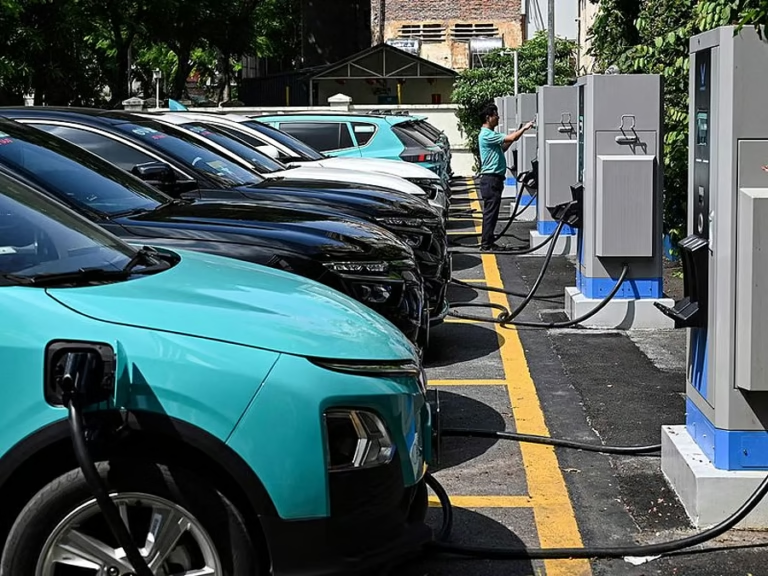
The future of hybrid vehicles in the USA reflects a clear trajectory toward sustainability and efficiency. Hybrid car adoption rates are expected to increase significantly by 2030 due to rising fuel costs, stricter emissions regulations, and widespread consumer awareness of environmental impacts. Manufacturers are investing heavily in advanced hybrid technology, including plug-in hybrids (PHEVs) and mild hybrid systems that optimize fuel economy. The integration of hybrid vehicles with smart EV charging networks ensures that these cars will be practical for everyday use while reducing dependence on fossil fuels. Moreover, hybrid EV adoption is being accelerated by government incentives, tax credits, and policy frameworks that favor low-emission vehicles. Ultimately, the future points toward a balanced coexistence of hybrids and electric vehicles, enabling the USA to meet sustainability targets without sacrificing automotive convenience.
How Hybrid Cars are Evolving in the USA
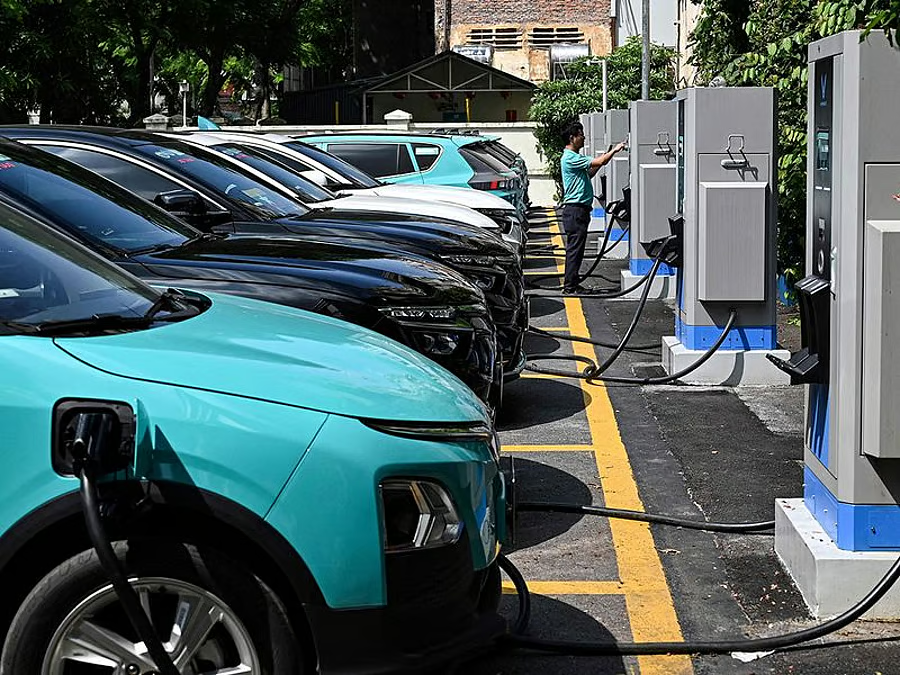
Hybrid cars in the USA are evolving rapidly due to technological advancements and changing consumer expectations. Modern hybrids offer improved energy efficiency, lighter and more compact battery packs, and smarter energy management systems. Automakers are introducing hybrid models across all segments, including sedans, SUVs, and trucks, to meet diverse consumer demands. Features like regenerative braking, AI-powered driving assistance, and enhanced infotainment systems are becoming standard, making hybrid cars more attractive to mainstream buyers. Additionally, hybrid vehicles are integrating seamlessly with EV infrastructure, allowing for flexible charging options and long-distance travel without range anxiety. As a result, the hybrid vehicle landscape is shifting from niche adoption to mass-market relevance, demonstrating the increasing importance of hybrid technology in the US automotive sector.
Hybrid vs Electric Cars in the USA 2026: Key Differences
Hybrid and electric cars differ significantly in their powertrain, efficiency, and market adoption. While hybrids combine internal combustion engines with electric motors for partial electrification, EVs rely entirely on batteries and electric motors. By 2026, hybrids will remain a practical choice for consumers who need long driving ranges without relying solely on charging infrastructure. Electric vehicles, on the other hand, appeal to early adopters and urban drivers with access to charging stations. Both types benefit from government incentives, yet hybrids offer a smoother transition for drivers hesitant to switch fully to electric power. Understanding the differences between hybrid and electric cars is crucial for buyers seeking eco-friendly alternatives without compromising convenience, range, or cost.
Hybrid Vehicle Trends and Market Forecast (2026–2030)
The hybrid vehicle market in the USA is projected to expand rapidly from 2026 to 2030. Analysts predict strong growth driven by consumer demand for low-emission vehicles, government policies, and technological innovation. Hybrid EV integration is enabling manufacturers to offer plug-in hybrid and full hybrid options across all vehicle categories. Market trends indicate increased adoption in urban areas, where fuel efficiency and reduced emissions are highly valued. The forecast also highlights opportunities for automakers to introduce affordable hybrids, hybrid SUVs, and models with advanced fuel efficiency. However, challenges such as infrastructure limitations and consumer awareness gaps remain. Overall, the US hybrid vehicle market is on a growth trajectory that promises both economic and environmental benefits.
USA Hybrid Vehicle Trends 2026–2030
Key hybrid vehicle trends in the USA include rising consumer interest in SUVs and crossovers, increasing fuel efficiency standards, and growing integration with EV infrastructure. Hybrid models are incorporating smart technologies, AI-driven energy management, and regenerative braking systems to enhance performance. Buyers are also drawn to vehicles with lower total ownership costs, including tax credits and government incentives. Manufacturers are focusing on creating diverse hybrid portfolios to appeal to both eco-conscious and performance-oriented consumers. Additionally, hybrid EV adoption rates are accelerating in states with robust charging networks and supportive policies. These trends suggest a dynamic market poised for expansion through 2030.
Hybrid Car Trends 2026–2030: What Buyers Should Know
Buyers looking for hybrid cars in 2026 should focus on fuel efficiency, technological features, and available incentives. Key trends include the rise of plug-in hybrids, compact hybrids for urban driving, and hybrid SUVs for families. Advances in battery technology and regenerative systems are improving driving range and reducing maintenance costs. Consumers can also take advantage of federal and state tax credits to lower the upfront cost of hybrid vehicles. Awareness of market forecasts and upcoming model releases helps buyers make informed decisions. Understanding hybrid car trends ensures that consumers select vehicles that meet performance, cost, and environmental requirements while benefiting from the latest technological advancements.
USA Hybrid Vehicle Market Forecast and Growth Projections
The USA hybrid vehicle market is forecasted to grow steadily through 2030, fueled by technological innovation, government incentives, and environmental regulations. Plug-in hybrids are expected to see the fastest adoption due to their efficiency and compatibility with EV charging networks. Analysts project that hybrid market share will increase in both urban and suburban areas, as consumers prioritize fuel economy and emission reductions. Investments in research and development are driving new model launches across multiple segments. Challenges include infrastructure limitations, battery production costs, and consumer awareness. However, the overall market outlook remains positive, offering significant opportunities for automakers, dealerships, and policymakers to capitalize on hybrid adoption trends.