
In-depth review of Tesla FSD v13 update. Evaluating neural networks, HW3 vs. AI4 performance, lane decisions, and city street driving.
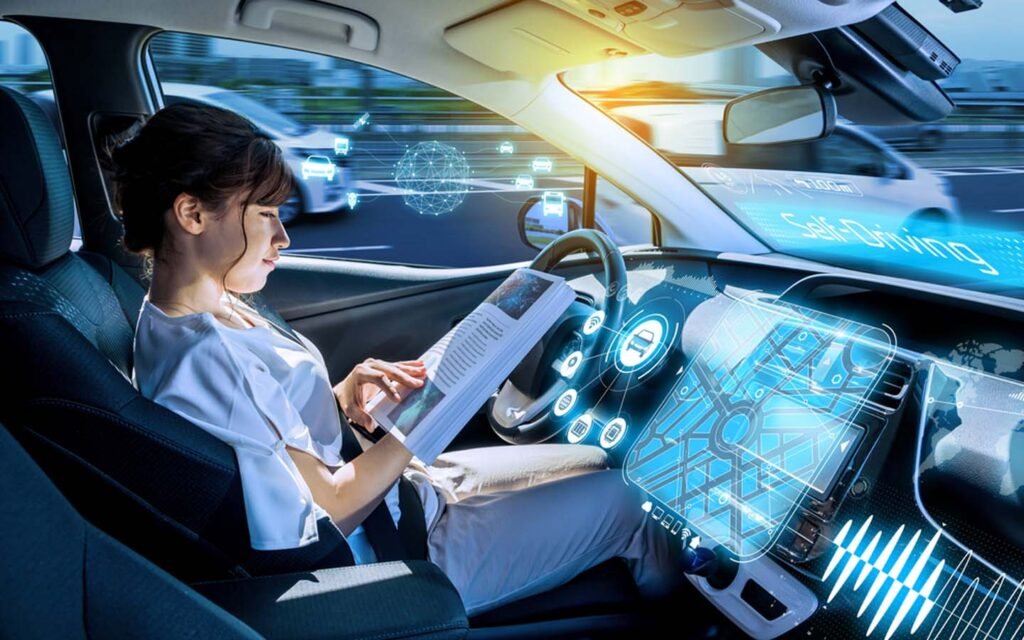
Overall Rating: ⭐️ 4.6 / 5.0 | Software Version: 2026.2.3 (FSD v13 Architecture) | Platform: Tesla AI4 / HW3
Tesla’s FSD v13 update replaces traditional spatial tracking with End-to-End Temporal Transformers, marking a major leap forward in how automotive neural networks process real-time driving decisions.
15-Second Temporal Buffer: Maintains object awareness even when pedestrians or cyclists enter temporary blind spots.
Occupancy Network 3.0: High-resolution 3D spatial voxel tracking for precise navigation through narrow streets.
Natural Driving Profile: Eliminates harsh phantom braking and executes smooth, human-like turns.
Pros
Exceptional handling of complex city intersections and construction zones.
Smooth acceleration and braking profile matching human driver inputs.
High-speed highway lane changes executed with confidence.
Cons
Performance gap exists between older HW3 computers and native AI4 hardware.
Requires active driver supervision at all times.
| Criteria | Score | Evaluation Notes |
| City Driving Smoothness | 9.4 / 10 | Smooth navigation through tight traffic circles and unprotected turns. |
| Safety & Object Tracking | 9.6 / 10 | Excellent temporal memory prevents micro-hesitations. |
| System Latency (AI4) | 9.8 / 10 | Real-time photon-to-control processing. |
FSD v13 is one of the most capable Level 2+ driver-assist suites available. While drivers must remain attentive, its temporal transformer architecture delivers a smooth and natural driving experience.