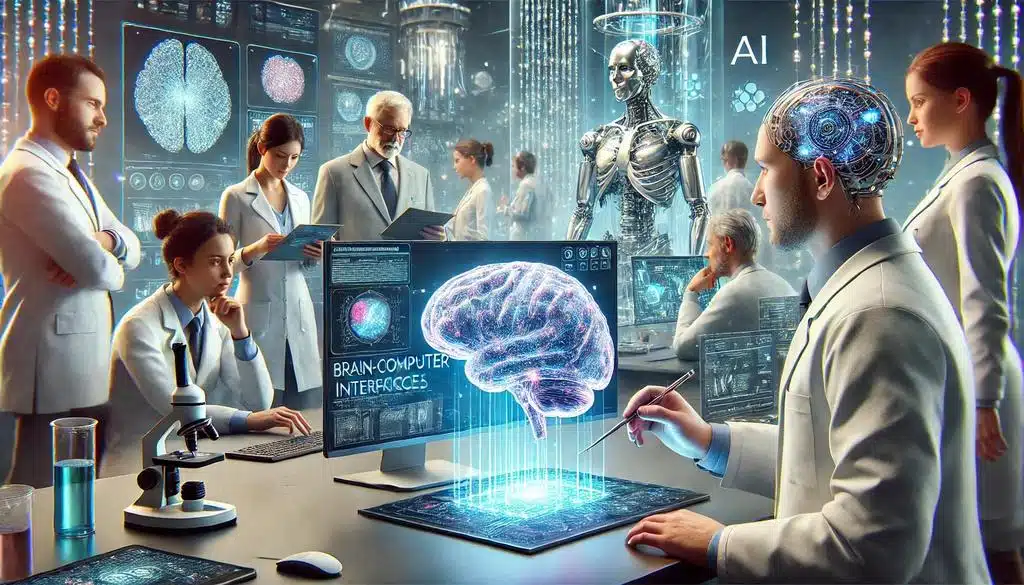

Brain-computer interfaces (BCIs) are no longer confined to science fiction—they are actively reshaping the way we interact with technology. AI-powered neural interfaces are bridging the gap between human thought and machine response, transforming everyday tasks, personal productivity, and even leisure activities. From mind-controlled smart devices to wearable AI brain gadgets, these technologies allow users to perform complex operations simply through cognitive intent. In everyday life, BCIs can streamline communication, enhance focus, and automate interactions with home and office environments. By integrating AI brain interface technology into wearable devices, consumers can experience cognitive enhancement and personalized tech support tailored to individual needs. As BCI lifestyle applications expand, understanding their capabilities, safety, and potential is crucial for adopting these innovations. Techcomotive explores how BCIs are redefining everyday tech and empowering lifestyles, creating smarter, more connected living.
Understanding Brain‑Computer Interfaces and Their Everyday Impact
Brain-computer interfaces work by translating neural signals into commands that devices can interpret. AI brain interface technology leverages machine learning to enhance signal accuracy and responsiveness, allowing seamless control over devices without traditional input methods. Everyday impact spans from controlling smart home systems to optimizing workflow in professional settings. These interfaces not only improve accessibility for users with mobility challenges but also offer cognitive enhancement for productivity-focused individuals. The integration of BCIs into lifestyle applications signals a future where technology becomes more intuitive, personalized, and unobtrusive. With continuous innovation in consumer brain-computer interface devices, daily life is becoming smarter, more efficient, and responsive to human intent.
How Do Brain‑Computer Interfaces Work in Everyday Life?
BCIs detect electrical activity in the brain using sensors placed on the scalp or implanted devices. AI algorithms decode these signals and convert them into actionable commands for computers, smartphones, or smart home devices. For instance, users can control lighting, temperature, or media systems without touching a button. In professional contexts, BCIs can assist in multitasking, improve focus, and monitor cognitive load to optimize performance. Wearable brain devices make this technology accessible for everyday use, blending seamlessly with daily routines. This practical application demonstrates how BCIs are not just experimental tools but lifestyle enhancers that augment human-machine interaction efficiently and intuitively.
The Science Behind AI Brain Interface Technology
AI brain interfaces use advanced neural decoding, pattern recognition, and adaptive learning to interpret complex brain activity. By continuously learning from user behavior, these systems refine their accuracy and responsiveness over time. Machine learning models analyze electroencephalography (EEG) signals, predicting user intent and translating it into device commands. This technology underpins cognitive enhancement AI, mind-controlled smart devices, and wearable BCI gadgets. Researchers are exploring deeper integration with augmented reality (AR) and virtual reality (VR) applications, allowing immersive experiences controlled by thought alone. As AI brain interface technology evolves, it promises unprecedented personalization and efficiency in everyday interactions with devices, smart environments, and digital ecosystems.
Cognitive Enhancement AI: Boosting Productivity and Mental Performance
Cognitive enhancement AI focuses on improving mental performance, attention, and memory through BCI integration. By analyzing neural activity, these systems provide real-time feedback on focus levels, stress, and cognitive load. Users can receive personalized recommendations to improve concentration or adjust work patterns for maximum productivity. In educational or corporate settings, BCIs can tailor learning experiences or optimize task management. This approach goes beyond automation, creating a synergy between human cognition and AI assistance. With AI-powered wearable brain devices, individuals can achieve mental clarity, faster decision-making, and enhanced problem-solving abilities, redefining how productivity and lifestyle efficiency intersect.
Lifestyle Applications of Brain‑Computer Interfaces
BCIs are increasingly designed for lifestyle integration, offering solutions for both work and leisure. Applications include smart home control, fitness monitoring, cognitive training, and immersive entertainment. AI-enhanced wearables allow seamless interaction with devices, while neurotech applications support mental wellness, meditation, and personalized health insights. The accessibility of consumer brain-computer interface devices ensures these innovations are not limited to research labs but available for everyday use. As BCI lifestyle integration expands, users can expect smarter environments, more intuitive technology, and personalized digital experiences that cater to individual routines and needs.
BCI Lifestyle Integration: From Home to Work
At home, BCIs can control lights, thermostats, security systems, and entertainment devices using neural commands. At work, cognitive-enhancing interfaces monitor focus, automate repetitive tasks, and facilitate collaboration by translating thoughts into actionable commands on digital platforms. This integration reduces reliance on physical input devices, streamlines daily activities, and improves efficiency. The versatility of BCI lifestyle integration ensures users can adopt these technologies in multiple environments, enhancing comfort, productivity, and convenience while minimizing distractions and maximizing cognitive potential.
Neurotech Lifestyle Applications You Can Start Today
Neurotech applications extend to meditation aids, sleep monitoring, and mood tracking. Wearable BCIs provide biofeedback, guiding users toward better mental wellness and stress management. Apps integrated with AI brain interfaces offer personalized routines, cognitive exercises, and reminders to optimize mental performance. Early adoption of these tools enables incremental lifestyle improvements, promoting long-term cognitive health. Practical neurotech solutions are now accessible through consumer devices, making it easier to adopt a technology-driven approach to enhancing personal well-being and daily routines.
Mind-Controlled Smart Devices: Practical Examples for Daily Use
From smart lights to entertainment systems, BCIs enable control through thought alone. Users can adjust room lighting, play media, or manage home appliances without traditional interfaces. Wearable AI brain devices provide hands-free operation for accessibility or convenience, particularly for those with limited mobility. In gaming and VR, mind-controlled devices offer immersive experiences where focus and intention directly influence gameplay. These applications demonstrate practical, everyday use of BCIs, illustrating how neural interface technology can enhance efficiency, accessibility, and lifestyle enjoyment simultaneously.
Consumer Brain-Computer Interface Devices
The consumer BCI market is rapidly expanding, offering a variety of wearable devices for lifestyle integration, productivity enhancement, and entertainment. AI-powered wearable brain devices now combine neurofeedback, cognitive training, and smart environment control in compact designs. As the technology matures, device reliability and usability are improving, making BCIs more approachable for everyday consumers. Techcomotive highlights the latest innovations, practical applications, and safety considerations to help users select devices that suit their lifestyle and personal tech goals.
AI-Powered Wearable Brain Devices: What’s Available in 2026
In 2026, wearable BCIs feature EEG headbands, neurofeedback-enabled earbuds, and brain-sensing smart glasses. Devices from leading neurotech brands combine AI-powered cognitive analysis with lifestyle applications such as sleep optimization, focus enhancement, and mind-controlled device management. These gadgets integrate seamlessly with smartphones, smart home devices, and digital assistants, providing real-time insights and actionable feedback. AI algorithms continuously learn user patterns, improving responsiveness and usability over time. As availability increases, these devices are becoming essential tools for productivity, wellness, and immersive experiences.
Wearable BCI Gadgets: Choosing the Right Device for You
Selecting the right wearable BCI depends on goals, comfort, and compatibility. Devices vary from basic focus monitors to advanced mind-controlled smart systems. Consider battery life, signal accuracy, device ergonomics, and software integration. AI-enhanced wearables may include neurofeedback training, meditation assistance, or cognitive performance tracking. Reading reviews, understanding technical specifications, and assessing lifestyle fit ensures users invest in tools that provide real, practical benefits. Choosing the right device transforms a novelty gadget into a reliable productivity and wellness companion for daily routines.
Are Consumer BCIs Safe and Reliable for Daily Use?
Consumer BCIs are generally safe, using non-invasive EEG sensors or minimally invasive implants. Most devices meet regulatory safety standards and are designed for extended daily use. Reliability depends on signal processing, AI calibration, and user consistency. While minor discomfort or signal interference may occur, manufacturers provide guidelines to maximize effectiveness. Long-term cognitive enhancement and lifestyle benefits are supported by ongoing research. Understanding device limitations, following usage recommendations, and monitoring personal responses ensures safe, reliable integration of BCIs into everyday life without compromising health or performance.
Future Trends in Brain-Computer Interfaces
BCI technology is evolving rapidly, influencing smart homes, IoT, and AI-powered wearable devices. Future trends point toward fully integrated neurotech ecosystems, mind-controlled environments, and personalized AI assistants. As cognitive enhancement AI and BCI lifestyle integration grow, expect seamless interaction with devices, adaptive home systems, and improved productivity tools. The global market for consumer BCIs continues to expand, particularly in the USA, indicating strong commercial interest and rapid innovation. Staying informed about emerging trends ensures users and businesses can leverage BCIs for lifestyle improvement, efficiency, and next-level digital experiences.
How Will BCIs Impact Smart Homes and IoT?
BCIs can transform smart homes into responsive, thought-controlled environments. Lights, thermostats, appliances, and security systems respond directly to neural commands, reducing the need for physical input. Integration with IoT platforms allows devices to adapt automatically to user preferences, schedules, and cognitive states. Home environments become personalized, efficient, and intuitive, improving convenience and quality of life. The combination of AI brain interface technology and IoT connectivity creates a truly intelligent ecosystem where technology adapts to thought and intention rather than manual interaction.
Can AI Brain Devices Replace Traditional Tech Gadgets?
AI brain devices have the potential to replace conventional gadgets like remotes, keyboards, and smart assistants for specific use cases. Mind-controlled wearables can operate computers, control media, and manage connected devices seamlessly. While not fully replacing all traditional technology, BCIs augment human-computer interaction, creating a more intuitive, hands-free interface. Over time, as AI brain interface technology advances, these devices may become central to daily digital interactions, reducing dependency on conventional input methods and enhancing overall lifestyle efficiency.
Brain-Computer Interface Trends in the USA and Global Market Insights
In the USA, BCI adoption is accelerating across healthcare, consumer electronics, and lifestyle sectors. Global market insights show increasing investment in AI-powered wearable brain devices, cognitive enhancement applications, and mind-controlled tech solutions. Market growth is fueled by consumer demand for intuitive, personalized, and efficient technology. Techcomotive tracks these trends, highlighting key players, emerging devices, and innovative applications. Understanding these insights helps consumers and businesses anticipate the next wave of BCI adoption and prepare for a technology-driven lifestyle transformation.
Maximizing the Benefits of AI Brain Interfaces in Lifestyle
To fully benefit from BCIs, users should integrate devices thoughtfully into daily routines. Combining wearable AI devices with lifestyle tracking, productivity tools, and smart environments enhances convenience, cognitive performance, and wellness. Ongoing engagement with neurotech applications ensures adaptation, improvement, and comfort. By understanding safety, compatibility, and functionality, users can optimize the advantages of BCIs while minimizing challenges. Techcomotive provides insights, guidance, and practical solutions to make AI brain interfaces a transformative addition to modern life.
Practical Tips to Integrate BCIs into Daily Routines
Start with simple tasks like controlling lights or media through wearable BCIs, gradually expanding to productivity monitoring and cognitive training. Schedule consistent sessions to optimize device learning and neural adaptation. Pair devices with smart home systems and productivity apps for enhanced efficiency. Regularly review device feedback, adjust settings, and maintain hygiene to maximize performance. These practical steps ensure BCIs complement daily routines seamlessly, improving mental focus, workflow, and overall lifestyle quality.
Lifestyle Changes You Can Expect with Brain-Computer Interfaces
With BCI adoption, expect enhanced focus, streamlined device control, and personalized digital interactions. Mind-controlled appliances reduce manual tasks, while cognitive enhancement AI supports mental clarity and productivity. Sleep patterns, stress levels, and learning routines can be optimized through neurofeedback and AI guidance. Over time, BCIs encourage a more mindful, efficient, and technology-integrated lifestyle. Users experience greater convenience, improved cognitive performance, and a more connected daily environment.
AI-Enhanced Human-Computer Interaction: Enhancing Your Digital Life
AI brain interfaces create a new paradigm in human-computer interaction. By translating thoughts into actionable commands, users experience more intuitive, immersive, and personalized technology experiences. Wearable BCI gadgets integrate with digital ecosystems, enabling mind-controlled applications, real-time cognitive feedback, and enhanced device responsiveness. This evolution transforms how we interact with technology, fostering a seamless, efficient, and intelligent digital lifestyle. The synergy of neurotech and AI ensures that everyday tech adapts to human needs, making life smarter and more connected than ever before.